Baby Sleep Regressions vs. Teething: How to Tell the Difference (5 Clear Signs)
December 14, 2025
The Quick Answer: Here’s How to Tell the Difference Teething causes SHORT sleep disruptions (24-72 ... Read more
The Quick Answer: Here’s How to Tell the Difference Teething causes SHORT sleep disruptions (24-72 ... Read more
Excessive drooling in infants, often linked to teething, can be managed effectively with the right strategies. It typically begins around six months of age when new teeth erupt, leading to increased saliva production. While drooling aids in oral health and digestion, it can sometimes be excessive due to teething, birth injuries, or conditions like cerebral palsy and autism. To manage this, use absorbent bibs, provide safe teething toys, maintain good skincare, and ensure proper hydration. However, it's important to remember that if other symptoms accompany drooling, it's crucial to consult a pediatrician. This will ensure the best care for your infant and give you peace of mind.
Watching your baby suffer through teething pain can be a heart-wrenching experience. Teething triggers ... Read more

Teething can be challenging for babies and parents, but with the right remedies, you can help alleviate your baby's discomfort and promote healthy oral development. Natural remedies like chamomile tea, cold foods, and drinks can help soothe sore gums and reduce inflammation. At the same time, teething toys like rings and pacifiers can provide safe and effective relief. Over-the-counter remedies like teething gels and tablets can also be effective but should be used in moderation and under the guidance of a pediatrician. Whatever remedies you choose, prioritize safety and constant monitoring. With these tips and guidelines in mind, you can help make your baby's teething phase as comfortable and healthy as possible.
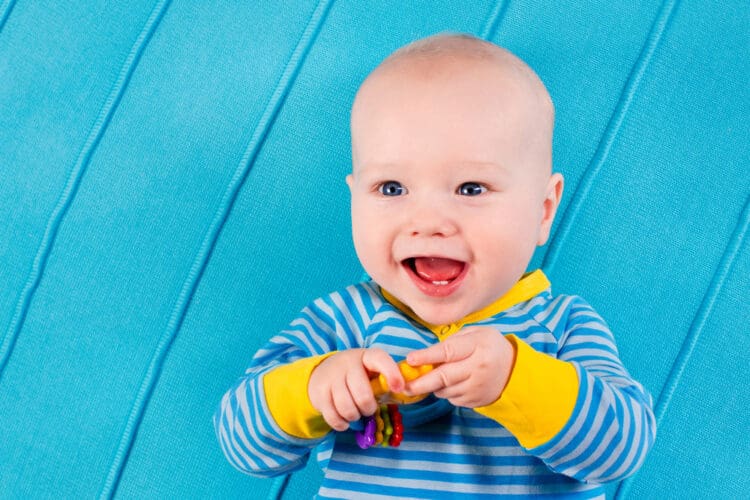
Teething is a normal part of a baby's development and is an essential milestone for parents to keep track of. It can be an exciting time for parents to watch their baby grow and reach new milestones, but it can also be nerve-wracking for them to figure out when their baby will begin to show signs of teething. In this blog post, we'll dive into the timeline of teething and discuss the factors that can influence how long it takes for a baby to start teething. We'll also share tips on how parents can help their baby through this process and ease any discomfort caused by teething. From when a baby's first tooth appears to when they have all of their teeth, this blog post will provide parents with the information they need to get through the teething process as smoothly as possible.

By the time your baby is 3 months old, they could start the process ... Read more

For many mothers, one of the most trying moments is when a baby is ... Read more
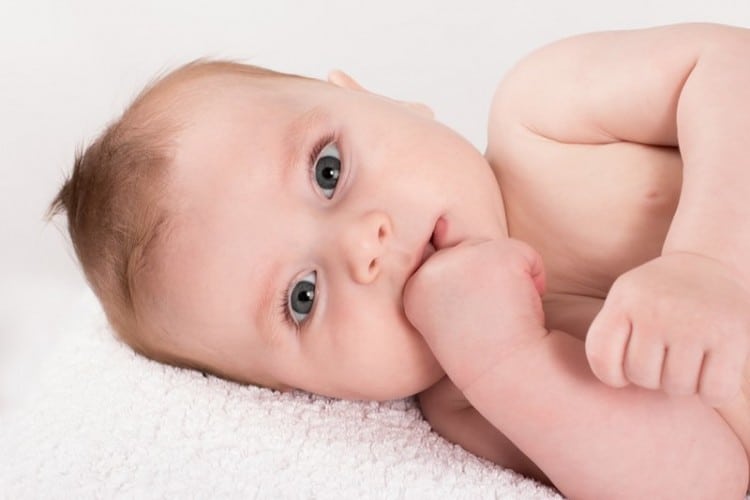
Teething stages The first teeth or milk teeth develop when a child is in ... Read more
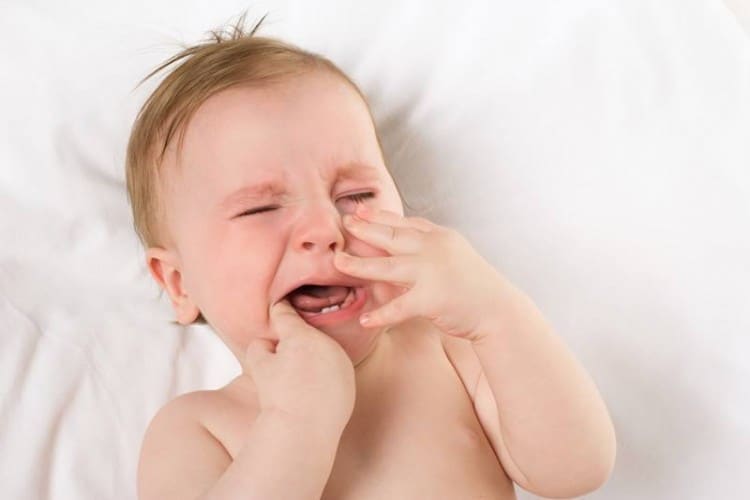
Surprisingly, the first teeth, which are popularly known as the milk teeth, sprout when ... Read more
[insert e-mail subscription form]